

You wake up at 2 or 3 AM wide awake, then stare at the ceiling while your mind races, and that broken sleep leaves you exhausted the next day. Most adults who cannot stay asleep through the night are dealing with a mix of stress, inconsistent sleep timing, caffeine or alcohol timing, and a bedroom that is too warm, bright, or noisy, not a mysterious disorder. The good news is that a few consistent habits can train your body to stay asleep longer and fall back asleep faster when you do wake. This article contains affiliate links, and CozyNestPaws may earn a commission if you purchase through them, at no extra cost to you.
Quick Picks at a Glance

Prime Asleep by Camhy Hall | Metaphysical Visionary
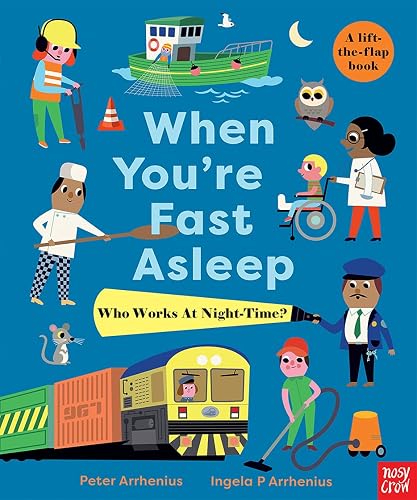
Prime When You're Fast Asleep Lift-the-Flap Board Book

Prime The Insomnia Breakthrough by Katherine Coleman

Prime Learn to Sleep Well by Dr. Chris Idzikowski

Prime Finally Asleep by Rachel Wells
As an Amazon Associate we earn from qualifying purchases. Product prices and availability are accurate as of the date/time indicated.
Pros
- Dreamlike, atmospheric storytelling that beautifully blends reality and the spiritual realm
- Strong themes of self discovery, inner reckoning and connection beyond the veil
- Thoughtful pacing praised for its calming, immersive and meditative reading experience
- Substantial 444-page novel allows for deep character development and world building
- Unique visionary fiction niche for readers seeking meaning beyond conventional plots
Cons
- Contemplative, slow paced style may not suit readers seeking fast action or thrillers
- Heavy metaphysical and spiritual themes require openness to abstract concepts
- As an independently published debut, it has limited mainstream visibility
Asleep by Camhy Hall is the first book in The Ylanai Series, a 444-page metaphysical and visionary fiction novel centered on Elise. It is ideal for readers drawn to spiritual awakening, dream work, and fiction that explores what it means to truly awaken.
Standout features include its dreamlike narrative of sleep paralysis, invisible visitors, and the thinning boundary between worlds. In practice, the story delivers a reflective, immersive experience that encourages readers to pause, contemplate, and feel present within its mountain and nature infused settings.
In terms of design and build, the independently published paperback measures 5.5 x 8.5 inches and offers a comfortable, substantial feel for extended reading. The length and print presentation support deep immersion while remaining easy to handle during long, quiet reading sessions.
Drawbacks center on its niche focus and deliberate pace, which may feel slow for fans of plot driven fiction. Readers less familiar with metaphysical concepts may also need time to connect with its abstract themes of soul memory and unseen forces.
Verdict: Asleep is a rewarding, soulful read for fans of visionary fiction seeking introspection over intensity. If you value atmospheric prose, inner journeys, and stories that invite you to remember yourself through darkness into light, this debut is a compelling place to begin.
Pros
- Engaging rhyming text that is smooth and fun to read aloud
- Flaps on every page promote hands-on interaction and observation skills
- Educational focus on diverse nighttime occupations sparks conversation
- Vibrant, bold illustrations from bestselling Felt Flaps illustrator
- Durable board book construction suited for toddlers ages 2 to 5
Cons
- Only 16 pages so reading time is quite short for older preschoolers
- Large 9.69 x 11.65 inch format is less portable for travel
- Simple rhyming story may feel basic for children at the top of the age range
When You're Fast Asleep is a large-format lift-the-flap board book by Peter and Ingela P Arrhenius designed for toddlers and preschoolers ages 2 to 5. It introduces children to the people who work at night, from bakers and doctors to train drivers and fishermen, making it a thoughtful choice for curious little learners and bedtime reading.
The standout feature is the interactive flap on every page that invites hands-on discovery, like peeking into a bakery oven or opening hospital doors. The rhyming, read-aloud text flows smoothly and holds attention, while detailed scenes encourage spotting and talking points that extend engagement beyond a single read.
Built as a sturdy board book, it features thick pages and easy-to-lift flaps sized for small hands. The artwork is bold, friendly and colorful, with clear illustrations that stand out during bedtime sharing. At 9.69 x 11.65 inches, the large format gives plenty of room for detailed visuals.
With only 16 pages, the story is brief and may leave older preschoolers wanting more depth or variety. Its larger size, while great for sharing, is less convenient for travel bags or compact shelving. Parents seeking longer narratives or more complex storytelling may find it a bit simple.
Overall, this is a charming and educational bedtime book that combines interactivity, gentle learning and soothing nighttime themes. It is best for families who want a durable, engaging read that sparks curiosity about the world while settling toddlers for sleep.
Publisher: NOSY CROW
Publication Date: January 13, 2022
Language: English
Print Length: 16 pages
Dimensions: 9.69 x 0.63 x 11.65 inches
Item Weight: 2.31 pounds
Reading Age: 2 to 5 years
ISBN-10: 1839944749
ISBN-13: 978-1839944741
Pros
- Praised for friendly, relatable and encouraging writing style that is easy to follow
- Covers multiple dimensions including environment, routines, exercise and stress management topics
- Includes practical tools like sleep diaries and case examples that illustrate key concepts
- Compact and well organized 138-page format suitable for quick reading and reference
Cons
- Independently published guide with introductory scope, not a clinical or academic textbook
- Focuses on behavioral and environmental information, not personalized professional advice
- Shorter length may leave readers wanting more depth on scientific research
The Insomnia Breakthrough by Katherine Coleman is a 138-page paperback written for readers who experience difficulty falling asleep, staying asleep or waking early. It presents sleep related concepts in plain language and is aimed at beginners seeking structured information rather than technical literature.
Standout content includes chapters on circadian rhythm concepts, sleep sanctuary setup, sleep diary tracking and approaches to nighttime awakenings. Readers often mention the relatable examples, such as the freelance designer case study, and the emphasis on consistency and daily habits.
In terms of design and build, the book is a lightweight 6 x 9 inch paperback that is easy to hold, carry and annotate. The layout uses clear chapter headings and short sections, so you can quickly revisit topics like exercise timing or lifestyle adjustments.
Drawbacks include its concise scope, which keeps explanations introductory rather than deeply scientific. As a general information guide, it does not replace professional consultation for individual concerns and some readers may want more detailed references.
Overall, this guide offers a well organized, reader friendly introduction to sleep hygiene and related routines. It is a practical choice for anyone looking for accessible information to explore and track personal sleep habits at their own pace.
ASIN: B0DC3ZS7F7
Publisher: Independently published, August 2, 2024
Language: English, Print length: 138 pages
ISBN-13: 979-8334850972, Dimensions: 6 x 0.32 x 9 inches
Item Weight: 9.3 ounces, Category: Sleep Disorders
Pros
- Written by an experienced sleep researcher with decades in the field
- Broad topic coverage suitable for readers of different ages and backgrounds
- Provides actionable exercises and lifestyle ideas to explore at home
- Concise, portable paperback format that is easy to read and store
- Accessible language that avoids overly technical explanations
Cons
- First published in 2016, so content may not reflect the most recent sleep literature
- Introductory 160-page length limits depth on complex topics
- Limited reader feedback available to assess long-term reception
Learn to Sleep Well is a 160-page paperback from Chartwell Books by Dr. Chris Idzikowski, a researcher with 30 years in the sleep field. It is written for general readers who want a clear, approachable overview of sleep habits and common sleep topics without heavy technical jargon.
The book focuses on sleep environment and lifestyle factors, and discusses how daily habits can align with individual sleep needs. It includes 20 exercises that introduce approaches such as meditation, massage, herbalism and aromatherapy, plus discussion of subjects like insomnia, snoring and nightmares across different age groups.
Physically, the book is compact and portable at 6.13 by 8.88 inches and 1.16 pounds, with a softcover format that is easy to handle and shelve. The layout is designed as a handy guide, making it suitable for quick reference and casual reading rather than an academic textbook.
As a 2016 publication, some readers may find that it does not cover more recent discussions in sleep literature. The 160-page length also means coverage is introductory, so those seeking deep scientific detail or highly specialized guidance may want a more comprehensive resource.
Overall, this guide offers an accessible entry point for anyone curious about building more consistent sleep routines and understanding common sleep related subjects. It is best viewed as an educational overview that complements professional advice for individual concerns.
Publisher: Chartwell Books
Publication Date: August 29, 2016
Language: English
Print Length: 160 pages
ISBN-10: 078583463X, ISBN-13: 978-0785834632
Dimensions: 6.13 x 0.75 x 8.88 inches
Item Weight: 1.16 pounds
Category: Sleep Disorders, Dreams, Cognitive Psychology
Pros
- Highly specific focus on women's sleep biology rather than generic advice
- References current 2024 and 2025 research for up to date context
- Covers both conceptual science and practical frameworks like CBT-I and supplement research
- Short 70 page length makes it quick to read and easy to reference
- Approachable tone that makes complex neuroscience understandable for general readers
Cons
- Only 70 pages, so coverage of each topic is introductory rather than comprehensive
- Independently published with no established editorial reviews or peer review credentials
- Niche focus on women's biology means less relevance for readers seeking general sleep science
Finally Asleep by Rachel Wells is a compact 70 page book that reframes sleep through the lens of women's biology. It is written for women who find generic tips like cutting screens or drinking tea ineffective and want research grounded explanations.
The book stands out for its focus on recent 2024 and 2025 research, including topics like the glymphatic system, cortisol rhythms and hormonal shifts during perimenopause. It also provides an accessible introduction to CBT-I concepts and a research based overview of supplements such as magnesium glycinate and glycine.
As a physical product, it is a lightweight paperback measuring 6 by 9 inches and weighing 5.6 ounces. The independently published format keeps the layout simple and readable, with a short length that suits quick reading sessions and easy portability.
The brevity is both a strength and a limitation, as complex topics are summarized rather than explored in depth. Being independently published and without a broad review history, readers looking for extensively vetted academic texts may want additional sources.
Overall, Finally Asleep offers a focused, science informed overview tailored specifically to women curious about the biology behind sleeplessness. It works best as an educational starting point that explains why standard advice may fall short and where to look next for deeper study.
ASIN: B0GSN27NHG
Publisher: Independently published
Publication Date: March 14, 2026
Language: English
Print Length: 70 pages
ISBN-13: 979-8252080758
Dimensions: 6 x 0.16 x 9 inches
Item Weight: 5.6 ounces
Categories: Sleep Disorders, Menopause, Stress Management Self-Help
Why You Keep Waking Up During the Night
Sleep is not one long block, it moves in cycles of lighter and deeper stages about every 90 minutes. In the second half of the night you spend more time in lighter sleep, so brief awakenings are normal, but you usually do not remember them unless something keeps you awake. When stress hormones rise, blood sugar dips, or your bedroom gets uncomfortable, those brief awakenings turn into long, frustrating periods of alertness.
Common triggers include going to bed and waking at very different times, late caffeine or alcohol, evening screen time that delays melatonin, and a bedroom that is too hot, too bright, or too noisy. Anxiety and rumination are also powerful, your brain rehearses worries the moment you wake, which makes it harder to drift off again. Even pets can fragment sleep if they move, snore, or seek attention at night, which is why many readers also review the orthopedic dog bed vs cooling dog bed to create a separate, cozy sleep space for dogs.
How to Stay Asleep Through the Night: A Calm, Consistent Routine
The goal is not to force sleep, but to make staying asleep the easy default for your body. These steps work best when you practice them together for at least two weeks, so your circadian rhythm and sleep pressure can stabilize.
- Anchor your wake time. Get up at the same time every day, even after a bad night, and get bright light within an hour of waking. A steady wake time strengthens your internal clock far more than a strict bedtime, and it builds stronger sleep pressure for the next night. Avoid long naps, or keep them under 20 minutes before early afternoon.
- Build a 60 minute wind down that quiets your mind. Dim lights, put phones on Do Not Disturb, and do calm activities like light stretching, breathing, or reading a paper book. If racing thoughts are your main trigger, a structured guide can help, many readers find clear explanations in Finally Asleep: The Real Science of Sleep which focuses on why the brain stays alert and what habits actually help, and The Insomnia Breakthrough which offers practical strategies for falling back asleep and waking refreshed.
- Make your bedroom cool, dark, and quiet. Aim for around 65 to 68 degrees, use blackout curtains or a sleep mask, and try earplugs or a white noise machine if noise wakes you. If pet dander or hair worsens congestion that wakes you, keep bedding freshly laundered and consider ideas from the best budget pet hair vacuums to reduce allergens that can fragment sleep.
- Have a plan for middle of the night awakenings. When you wake, avoid checking the clock, keep lights off, and try a slow breathing pattern, inhale for four counts, exhale for six, while relaxing your shoulders and jaw. If you are still awake after about 20 minutes, get up to a dim, quiet spot and read something calm until sleepiness returns, then go back to bed. For readers who like reflective, story based relaxation, Asleep: A journey begins in the dark is a gentle fiction option for that quiet reset, while Learn to Sleep Well: Get to sleep, stay asleep provides foundational sleep hygiene education to revisit during the day, not as a stimulating activity at 3 AM.
- Watch daytime inputs. Keep caffeine to the morning, limit alcohol in the evening since it fragments sleep later in the night, and get daily movement and natural light. Eat a balanced dinner and avoid large, sugary late night snacks that can cause dips that wake you. If you share the bed with a pet that wakes you to play or scratch, give them a dedicated bedtime routine and a comfortable alternative spot, as described in how to stop a dog from destroying beds, so both of you keep a consistent space.
Track what helps without obsessing. A simple paper sleep diary noting bedtime, wake time, awakenings, caffeine, and stress can reveal patterns in a week. If a book resonates with you, read it during daylight hours and apply one or two ideas at a time, so your nighttime remains calm and screen free.
When to Try Something Else or See a Professional
Self guided habits are powerful for general sleep maintenance, but this book based, routine focused approach is not ideal for people who snore loudly, gasp or choke at night, have chronic pain, frequent nighttime urination, or persistent low mood and anxiety that keeps them awake most nights. Those situations are not a good fit for a home routine alone, so skip this approach as your only plan and speak with your primary care provider or a sleep professional for personalized evaluation. If you notice your pet is also restless, vocal, or has changes in breathing or bathroom habits that disturb your sleep, talk to your veterinarian as well.
Frequently Asked Questions
Why do I wake up at 3 AM every night and cannot fall back asleep?
Waking around 3 AM is common because sleep is lighter in the second half of the night and stress hormones naturally begin to rise toward morning. If you check the time, worry, or get bright light exposure, your brain becomes fully alert and it is harder to return to sleep. Keeping lights off, avoiding clock watching, and using a calm breathing reset can shorten those awakenings.
How can I stay asleep through the night without medication in 2026?
Start with the most consistent levers, a fixed wake time, morning light, daytime movement, and a cool, dark bedroom. Add a relaxing wind down and limit caffeine and alcohol, which are two of the most common hidden causes of fragmented sleep. If you want structured guidance, daytime reading from a sleep focused book can reinforce the routine without adding screens at night.
Does reading before bed help me stay asleep longer?
Reading a calm paper book can help if it replaces scrolling and gives your mind a single, quiet focus before lights out. Choose something soothing rather than thrilling, and keep it to 20 to 30 minutes under dim light. For families, When You’re Fast Asleep is a gentle, flap based board book that creates a calm bedtime ritual with children, which also helps adults keep a consistent household wind down.
Browse more picks in our Sleep & Relaxation category, or see our related guide on Best Weighted Blanket for Hot Sleepers 2026: 10 Cooling Picks Reviewed.









Write Your Review
No reviews yet. Be the first to share your experience!